A well-run emergency feedback begins long prior to the alarm. It starts with a chief warden who recognizes the structure, the people inside it, and the untidy reality of how emergencies unfold. I have seen emptyings do well since a chief warden kept their head while every little thing else tried to go laterally, and I have seen them fail when the essentials were avoided. If you are stepping into the duty, or in charge of appointing one, this guide lays out what competence appears like in method, the training that underpins it, and the criteria that help you verify it.
What the chief warden in fact does
The chief warden leads the site's Emergency situation Control Organisation, or ECO. In ordinary terms, they collaborate people during an event and make the judgment calls that impact everyone's security. That consists of fires, medical emergency situations, chemical spills, power failings, escalator entrapments, and the all as well typical false alarm that still calls for a disciplined action. The chief warden's responsibilities start with prevention and readiness, proceed with occurrence control, and end with orderly recovery.
On a regular day, the chief warden checks that wardens are rostered, communication tools work, discharge courses remain clear, and any kind of impairments to fire systems are recognized and mitigated. Throughout an event, they take control from the emergency control factor, verify the nature of the incident, select the initial response setting, and direct location wardens and wardens to move, isolate dangers, help individuals who need aid, and take care of assembly areas. Later, they log the sequence, debrief, and drive improvements.
The title differs. Some organisations call the role chief fire warden or chief emergency warden. The core duties coincide, warden training approaches though a chief fire warden might have a more powerful focus on fire scenarios in a risky website, while a more comprehensive chief warden remit may include safety and security hazards, clinical actions, and company connection triggers.
Skills you can not fake
Crisis leadership looks extravagant theoretically, yet in a smoke-logged hallway with alarms howling and the lift inactive, polish gives way to muscular tissue memory. Chief warden requirements cluster into decision-making, interaction, control, and technical literacy. The adhering to are not nice-to-haves, they are the spine of the role.
Decisive judgment under stress. Occurrences compensate those who act upon limited info and upgrade fast. The chief warden needs to pick whether to leave, safeguard in place, or stage a partial evacuation, then adapt as problems transform. Fluctuating expenses minutes, and mins price people.
Clear, concise communications. Throughout an alarm, your words fight sound, anxiety, and radio congestion. Good chief wardens make use of short, direct phrases and repeat key orders. They verify important messages back, time-stamp activities, and avoid jargon that confuses wardens or residents. If you have actually ever tried to run a stairwell down-sweep while maintenance secrets into the panel and safety and security records odor of smoke on level 3, you understand brevity matters.
Span of‑control discipline. https://zionfyxg973.mystrikingly.com/ The chief warden rarely touches every floor personally. They overcome area wardens and wardens, usually in a ratio that maintains the chain of command clean. They stay clear of freelancing and withstand the urge to micromanage a single flooring while blowing up of the rest.
Situational awareness. This appears fluffy till you practice it. A great chief warden thinks in maps. They understand the building's areas, stair pressurisation, re-entry levels, fire door places, and the quirky canal where individuals lot. They note the weather if it influences outside setting up security, the moment of day if it transforms tenancy, and the upkeep standing of fire indicator panels, EWIS, and suppression systems.
Calm authority. People will certainly review your face prior to your words. A chief warden radiates a determined calm that steals oxygen from panic. That tone rollovers the PA, on the radio, and in your posture at the control point.
Documentation technique. Logs, headcounts, problems authorizations, and debrief activities do not exist for bureaucracy's sake. They allow you to demonstrate due diligence, meet fire warden requirements in the workplace, and improve the next response.
The training that constructs those skills
In Australia, two systems rest at the heart of warden and chief warden training. They map to the national framework and provide a regular baseline.
PUAFER005 operate as part of an emergency situation control organisation. This is the fundamental fire warden course that builds functional abilities for wardens and location wardens. A great puafer005 course covers alarm recognition, ECO structure, communication methods, evacuation strategies, helping mobility-impaired passengers, and intermediary with emergency solutions. You desire useful drills, not just theory. Actual lessons originate from relocating bodies down stairs, not reading about it.
PUAFER006 lead an emergency control organisation. This is the jump to management. A puafer006 course will push you right into scenario planning, command and control, news, resource allotment, and making emptying setting decisions. It must include time at a fire sign panel and EWIS, running mock circumstances with injects that compel you to pivot.
Those two units sit inside a broader program of warden training that ought to include annual refreshers and building-specific inductions. The national devices offer you common language and expectations. The website induction gives you reality. In one property I supported, the cellar had a reduced ceiling and a tangle of service runs that entraped warm. A book approach to a parking lot fire needed modification or you would certainly press hot smoke directly the ramp towards the major access. You only find out that on site.
If your procedure includes multiple states or complex dangers, try to find a chief warden course that blends PUAFER006 with additional modules like bomb hazard assessment, aggressive intruder procedures, and service continuity activates. Some providers package chief fire warden training with desktop exercises for the management team. That is cash well spent. Emergencies touch HR, IT, safety and security, and media. You desire aligned playbooks.
Experience that divides skilled from excellent
Reading and certifications issue. So does time on the tools. The best principal wardens accumulate behaviors built from drills, near-misses, and actual alarms.
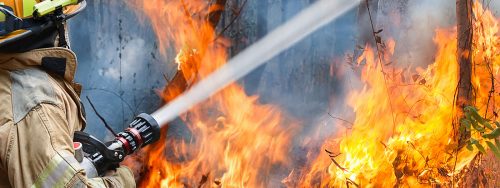
Plan and run exercises across a variety of times and occupancy profiles. A weekday morning emptying acts differently from a Friday evening when occupants hold events. Attempt a drill during rain and see what occurs at assembly points. Turn circumstances: fire in the riser cabinet, clinical on degree 7 with a jammed lift, power failure in one tower but not the other.
Build a lineup that covers absences. A chief warden gets ill, takes leave, or journeys. Your ECO should have deputies and location wardens that can step up. In a multi-tenant website, work out mutual help with tenant wardens and share radios or runners during huge evacuations.
Practice interactions till it really feels boring. That is the best level. Standardise phone call signs, agree message layouts, and practice key news. If your manuscript is verbose, cut it. Clarity beats poetry.
Walk the structure frequently. Stairways, roof covering hatches, plant spaces, back-of-house corridors, and additional departures all matter in a pinch. After one drill, we uncovered a contractor had piled fridge boxes in front of a fire door that seldom saw web traffic. The location looked neat from the primary hallway. The risk hid in the corner. Weekly walks would have caught it sooner.
Get comfortable with fire systems. You do not need to be a technician, yet you must check out the FIP, comprehend area seclusions, and know what a difficulty versus alarm system means on your certain panel. On some EWIS, the discharge tone and the sharp tone have comparable patterns that perplex brand-new wardens. Exercise toggling areas and making online statements in monitored training sessions.
Fire warden training demands and revitalize cycles
Fire warden needs vary by territory and building use, but a number of patterns hold. Wardens, including the chief warden, must finish formal training and freshen at normal intervals. Annual refresher courses are standard for high-occupancy or facility websites. Two-year cycles might be acceptable for low-risk settings, provided you run drills a minimum of twice a year and swear in new team promptly.
Refreshers must not rework slides. Usage recent cases and building adjustments. If your site included a new renter fit-out with accessibility control changes, run a drill that evaluates the brand-new badge readers under emergency situation power. If a stairway pressurisation mistake took place last quarter, discuss what altered after the fix and include a situation that inspects system performance.
For evidence, maintain training documents, presence logs, and post-drill reports with action close-outs. Regulatory authorities and insurance providers focus on the proof. A lot more importantly, the documents shows your group that continuous renovation matters.

Colour coding and visual cues
Wardens and primary wardens need to be instantly recognisable. That is where tabards, safety helmets, and hats been available in. Colour conventions differ by country and occasionally by organisation, yet in Australia, chief warden hat colour is normally white. The chief fire warden hat or headgear is white for the principal, while floor or location wardens often use yellow. The replacement chief warden will certainly sometimes put on white with a different stripe or a marked tabard so they are easy to find at the control point. In some offices, red signifies a communications warden or an initial attack fireman, and eco-friendly might be reserved for emergency treatment. If you are asking what colour helmet does a chief warden wear, validate your regional standard, then make it constant across the website. Whatever you choose, educate it, classify it, and supply spares.
There is one sensible caution. Hats and safety helmets aid, however tabards are less complicated to keep and faster to wear, specifically for personnel that put on head treatments or operate in functions where a helmet is unwise. The most effective configurations keep both, making use of helmets for risky commercial sites and tabards for workplaces and retail.
The ECO at work: an example from the field
A multi-storey office tower, mid-morning. A scent of shedding reported on level 12. The chief warden gets a phone call from safety and security and a concurrent alert on the fire sign panel. The area suggests a detector in a comms area, a well-known hot spot. The chief warden relocates to the control point, puts on the white tabard, and opens the EWIS. They change level 12 to sharp tone and program a short statement: wardens check out, owners await instructions.
Area wardens on degree 12 acknowledge on the radio. One comes close to the comms room door. Warm is present, door surface area cozy, light smoke noticeable under the limit. They do closed the door. The chief warden escalates to discharge tone for level 12 and the floor above, then dispatches wardens to take care of stairwells and direct individuals far from the smoke path. Security isolates the a/c to prevent spread. The chief warden calls the fire brigade if the system has not currently done so automatically, and fulfills teams at the panel with a concise handover: believed electric fire in a comms room, doors closed, partial evacuation underway, no reported injuries, stairwells clear, raises isolated.
The brigade gets here and extend. The chief warden holds the line, maintains various other floors on sharp, and appoints a jogger to check on a renter with two mobility device users. Emptying advances. Within minutes, firemans confirm a small rack fire, controlled promptly. The chief warden maintains the emptying until the location is aerated and the brigade provides the all clear. After the incident, the chief warden records times, actions, and problems. The debrief brings about a straightforward enhancement: mount thermal detection inside comms closets and update the occupant's equipment load limits.
This is the job. Not dramatic, yet disciplined.
Certification pathways and what great training looks like
If you search for a warden course or chief warden course, you will find dozens of suppliers. Choose one that supplies the national devices, PUAFER005 and PUAFER006, with a recognized process and can show industry experience. Class time issues, yet scenario-based sensible training is where most discovering lands. You want:

- Realistic simulations that utilize your structure's formats, radios, and system. Trainers who have functioned occurrences, not just shown from a book. Assessment that consists of decision-making, not just rote recall. Clear placement in between puafer005 operate as part of an emergency control organisation and puafer006 lead an emergency control organisation, so wardens and chief wardens share language and expectations. Post-training devices like lists, quick-reference radio manuscripts, and debrief themes you can really use.
Sit know a session if you can, or request recommendations from comparable sites. A strong supplier will certainly likewise assist you shape your annual emergency administration strategy, integrate with contractors that maintain your fire systems, and recommend on the cadence of drills.
Building the ECO: roles and structure
A chief warden does not lug the building alone. The ECO includes deputy chief warden, communications policeman, floor or location wardens, and wardens who sweep, help, and take care of assembly points. In facility sites, you may add functions for occupants with certain needs, emergency treatment, and safety integration.
Structure needs to match the structure's risk profile. A high-rise with blended lessees could appoint two location wardens per floor to cover leave. A distribution center with change job needs wardens across all shifts, not just the day staff. A laboratory needs wardens that comprehend control procedures and understand when a common emptying might make points worse by pressing fumes into public areas.
Match individuals to roles with purpose. Some of the most effective wardens I have actually seen are assistants. They understand who gets on website, keep a great head under pressure, and can guide naturally. In hefty market, seek staff leads who keep discipline and recognize the plant. Your replacement chief warden ought to be a person with real visibility, not only a title holder.
The human side: occupants who need added help
Fire warden demands in the office should account for people who can not come down fifteen flights quickly. Individuals with momentary injuries, mobility problems, visual or hearing distinctions, late-stage maternity, anxiety problems, and visitors not familiar with the site require thoughtful preparation. Begin with Personal Emergency Situation Discharge Plans. Maintain them discreet and functional. Recognize friend systems and haven factors. Gear up stairwells with evac chairs and train wardens who are literally qualified and comfy utilizing them. Do not think the toughest person is the right selection. Method and confidence trump brute force.
During drills, replicate, do not perform, certain movements if there is any kind of threat of injury. Exercise the steps with equipment in controlled conditions. If an individual favors to remain in position at a haven point under a defend-in-place approach, compose that right into the plan together with interaction procedures and signage.
Coordination with emergency services
A chief warden is the bridge in between your building and the -responders. That relationship starts before the emergency. Welcome the regional brigade to a walkthrough. Show them the hydrant places, fire control room, FIP, EWIS, sprinkler shutoffs, and the quirks that only residents recognize. Exchange call information for after-hours website access.
During an event, the handover is brief and structured: what you have, what you have done, what you require. Supply building plans, secrets, problems status, and head counts if offered. After that step back and take care of the passengers. Do not crowd the fire control space or shadow firemans unless invited. Your task continues on the human side.
Policy, compliance, and verifying you meet chief warden requirements
For numerous organisations, chief fire warden requirements are linked to regulations, developing codes, and insurance policy conditions. The specifics differ by territory, however an auditor will intend to see a current emergency situation plan, recorded ECO framework, training documents for wardens and chief wardens, a drill program with end results and renovations, and proof of system upkeep and impairment management.
A neat trick is to maintain a one-page dashboard that reveals your last training days for puafer005 and puafer006, present ECO lineup with get in touch with numbers, last two drill days with crucial activities, current fire system disabilities, and any kind of crucial risks. Put it on the wall of the control point and examine it regular monthly. It functions as a rundown device when leadership modifications or when the site hosts a significant event.
Technology, devices, and the restrictions of gadgets
Radios, PA systems, mobile alert applications, and building administration platforms can help or hinder. Straightforward victories consist of pre-programmed radio channels, spare batteries on cost, laminated maps at the control factor, and a go-bag with tabards, lanterns, spare glasses, and a whistle. For large schools, think about mass alert tools that integrate with your gain access to control system. But check them. During one emptying, a streamlined application given in a Wi-Fi outage, while the old and radios carried the day. Technology ought to match, not change, the basics.
Common risks and just how to avoid them
The most regular failure is drift. A new chief warden gets trained, drills run well for a year, then individuals move duties, radios go missing, and emptying representations age out. The remedy is rhythm. Establish a schedule for quarterly ECO conferences, 2 drills a year, yearly refresher courses, and regular monthly checks of gear and departures. Treat it like procedures, not a once-a-year compliance tick.
Another mistake is over-evacuation. Drawing a full-building evacuation for each minor alarm wears people out. Use the tools you have. Phase alert and emptying tones by area, investigate rapidly, and escalate emphatically when required. This is where puafer006 training earns its keep.
Finally, do not ignore post-incident exhaustion. After a genuine event, wardens may really feel rattled. A brief debrief that recognizes initiative, shares realities, and designates manageable improvements does more for durability than any kind of poster on a wall.
Choosing and developing the best principal warden
If you are designating a chief warden, try to find personality initially, authority second, and technical discovering agility third. Titles aid, yet the most effective chief wardens are stable communicators who invite input and after that choose. When you have the person, buy them. Send them to chief warden training that includes PUAFER006, set them with a skilled deputy, and provide time to walk the website with maintenance, safety, and occupant reps. Encourage them to participate in an emergency warden course as an onlooker to see what their team discovers. Cross-training develops common understanding.
When a site is much from simple
Hospitals, research laboratories, high-rises with sky entrance halls, going shopping centres with hundreds of short-term site visitors, heritage structures with limited egress, and plants with unsafe products, each brings special obstacles. A common warden course is inadequate. Develop split plans. For a shopping center, focus on zone emptyings, retail renter sychronisation, and group administration. For laboratories, manage shut-down actions and containment before discharge. In high-rises, method partial discharges by fire flooring, flooring above, and flooring listed below. Work with your service provider to customize emergency warden training that fits reality.
A short, practical checklist for chief wardens
- Confirm ECO lineup coverage for all operating hours, consisting of replacements and location wardens. Keep training present: puafer005 for wardens, puafer006 for chief and deputy, with annual refreshers that use website scenarios. Test communications monthly: radios, scripts, get in touch with trees, and backups. Walk the website: departures, stairs, refuge points, assembly areas, and any kind of works that alter egress. Maintain the package: tabards, chief warden hat or safety helmet, lanterns, batteries, floor plans, and the log sheet at the control point.
Where the hat meets the hallway
Titles and qualifications matter due to the fact that they form behaviors, however people make the difference. The chief warden's task resides in the area in between plan and technique. Obtain the principles right with PUAFER005 and PUAFER006, choose training that forces you to think and act, and develop a society where wardens take pride in the function. When the alarm seems, clarity defeats rate, preparation beats improvisation, and a stable voice can move a thousand people securely down the stairs.
Take your leadership in workplace safety to the next level with the nationally recognised PUAFER006 Chief Warden Training. Designed for Chief and Deputy Fire Wardens, this face-to-face 3-hour course teaches critical skills: coordinating evacuations, leading a warden team, making decisions under pressure, and liaising with emergency services. Course cost is generally AUD $130 per person for public sessions. Held in multiple locations including Brisbane CBD (Queen Street), North Hobart, Adelaide, and more across Queensland such as Gold Coast, Sunshine Coast, Toowoomba, Cairns, Ipswich, Logan, Chermside, etc.
If you’ve been appointed as a Chief or Deputy Fire Warden at your workplace, the PUAFER006 – Chief Warden Training is designed to give you the confidence and skills to take charge when it matters most. This nationally accredited course goes beyond the basics of emergency response, teaching you how to coordinate evacuations, lead and direct your warden team, make quick decisions under pressure, and effectively communicate with emergency services. Delivered face-to-face in just 3 hours, the training is practical, engaging, and focused on real-world workplace scenarios. You’ll walk away knowing exactly what to do when an emergency unfolds—and you’ll receive your certificate the same day you complete the course. With training available across Australia—including Brisbane CBD (Queen Street), North Hobart, Adelaide, Gold Coast, Sunshine Coast, Toowoomba, Cairns, Ipswich, Logan, Chermside and more—it’s easy to find a location near you. At just $130 per person, this course is an affordable way to make sure your workplace is compliant with safety requirements while also giving you peace of mind that you can step up and lead when it counts.